


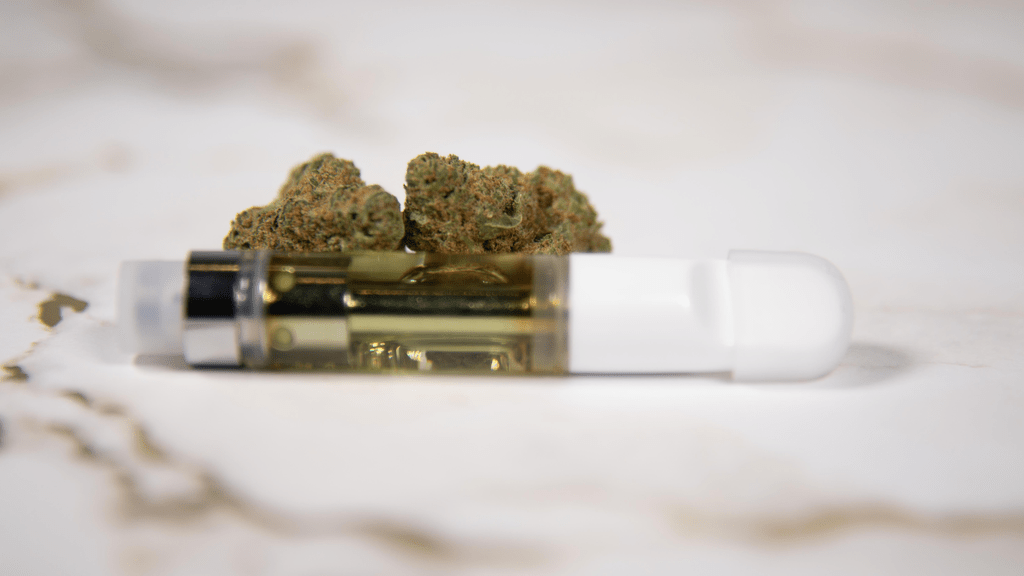
Martial artists today are more open than ever to integrating cannabis into their wellness routines, especially for recovery and mental sharpness. But one question always rises to the surface: what form of cannabis works best before training—edibles, vapes, or tinctures? Each consumption method interacts with the body differently, and knowing the distinctions can help practitioners find the balance between focus, energy, and physical performance.
Edibles: Slow Release, Steady Impact
Edibles are popular for long-lasting relief, but their timing makes them tricky for pre-training use. Once eaten, cannabinoids must pass through the digestive system and liver before they take effect. According to pharmacokinetic studies published in Frontiers in Pharmacology, this process can take anywhere from 45 minutes to two hours, depending on metabolism, body fat, and what someone has eaten that day.
For martial artists, that delayed onset can be either helpful or disruptive. The advantages include:
- Sustained calm and reduced inflammation, ideal for long training days.
- No lung irritation, making edibles a preferred alternative for fighters managing respiratory health.
But the downsides matter too:
- Harder to dose accurately, especially with homemade or high-potency products.
- Risk of feeling too heavy or sedated mid-session, especially with THC-dominant formulas.
Edibles tend to work best for post-training recovery, not immediately before class—unless someone is highly experienced, very consistent with dosing, and takes them well in advance.
Vapes: Fast, Controllable, and Functional
Vaporization is the most common pre-training option among athletes who use cannabis because of its rapid onset and easy dose control. Research summarized by the National Academies of Sciences indicates vaporized cannabinoids begin working within minutes, allowing athletes to fine-tune intake based on how they feel that day.
For martial artists, the benefits include:
- Immediate effect, ideal for calming nerves before sparring or sharpening focus during drills.
- Precise titration, since users can take small, measured puffs.
- Minimal lingering “body heaviness,” especially with balanced or CBD-dominant vapes.
However, inhalation isn’t perfect. Fighters with asthma, COPD, or lung sensitivity may find irritation uncomfortable. Even though vapor carries fewer toxins than smoke, a 2021 Harm Reduction Journal study notes that vaping can still impact airway function in sensitive individuals. For those athletes, vapes may be best used sparingly or avoided before intense cardio sessions.
Tinctures: Flexible and Fast Without the Smoke
Tinctures are often the “middle ground” that fighters appreciate. When taken sublingually (under the tongue), absorption happens through oral mucosa, which leads to an onset of 15–30 minutes—faster than edibles but slower than inhalation.
They provide:
- Smooth, predictable effects, especially with CBD-heavy formulas.
- No lung stress, making them the top pick for fighters with respiratory considerations.
- Highly customizable dosing, since tinctures allow for precise milligram measurements.
THC tinctures can help athletes manage pre-session jitters, but balanced ratios—like 1:1 CBD:THC or 2:1 CBD-dominant blends—are often preferred because they deliver relaxation without impairing reaction time.
So What Works Best?
For most martial artists, vapes and tinctures tend to be the most functional pre-training choices. Vapes offer instant relief and adjustability, while tinctures provide steadiness without taxing the lungs. Edibles shine after training but are usually less reliable beforehand unless carefully timed.
Every fighter’s physiology is unique, though. Training intensity, individual tolerance, and specific goals—focus, calm, mobility, and pain relief—shape the ideal method. Starting with low doses, tracking effects, and keeping performance as the priority ensures cannabis becomes a tool, not a distraction, on the mats.