




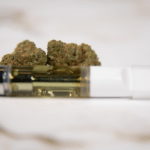
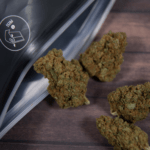

Recovery plays a central role throughout modern health routines, with online readers frequently comparing traditional supplements with cannabis-based options. Each recovery method delivers unique benefits, limitations, and scientific backing. The discussion rarely revolves around replacing one with the other. Instead, it focuses on understanding how different approaches support the body’s natural healing process more effectively.
Understanding Traditional Supplements
Traditional recovery supplements—such as protein powders, BCAAs, electrolytes, turmeric, magnesium, and omega-3 fatty acids—have served active adults and athletes for decades. These products target recovery through nutritional support, pain reduction, and inflammation control.
Protein and amino acids help repair muscle tissue after training sessions. Magnesium supports muscle relaxation and reduces cramping. Omega-3s and turmeric provide anti-inflammatory support that can reduce soreness and swelling. These supplements offer standardized dosing, long-standing research, and reliable manufacturing practices, which makes them predictable and accessible for most consumers.
Traditional supplements remain dependable tools for building foundational recovery habits. They fuel muscles, support tissue repair, reduce oxidative stress, and promote long-term joint health. Individuals who train daily often rely on these nutrients to keep pace with high physical output.
How Cannabis Supports Recovery
Cannabis approaches recovery differently. Cannabinoids—primarily CBD and THC—interact with the body’s endocannabinoid system, a regulatory network that influences inflammation, pain perception, sleep quality, and mood.
CBD’s anti-inflammatory and analgesic qualities continue to gain attention. Research shows potential benefits for easing exercise-related inflammation, soothing joint discomfort, and supporting muscle relaxation without intoxicating effects. Many athletes turn to CBD topicals for targeted relief, tinctures for full-body support, or gummies for calming effects that help the body shift toward rest.
THC contributes to recovery as well. Low doses offer pain relief, deeper relaxation, and stronger sleep cycles. THC may help users fall asleep faster and remain asleep longer, strengthening one of the most important elements of overall recovery.
Where Cannabis Provides an Advantage
Cannabis stands out where traditional supplements sometimes struggle: targeted pain relief, relaxation, and improved sleep. Supplements such as magnesium or melatonin support sleep for many individuals, yet cannabinoids may influence both body and mind simultaneously. This tends to promote a deeper, more restorative form of rest.
Pain management also illustrates a strong cannabis advantage. Traditional supplements rely on nutritional pathways, while cannabinoids interact directly with receptors tied to pain signaling. Martial artists, runners, and individuals who wrestle with chronic tension often report meaningful relief where standard supplements fall short.
Where Traditional Supplements Maintain Strength
Traditional supplements remain superior for muscle repair, nutrient replacement, and cellular recovery. Protein synthesis, electrolyte balance, and micronutrient intake represent critical processes that cannabis cannot replicate. Traditional supplements also feature precise dosing and strong scientific backing, which helps structured recovery programs remain consistent.
Finding the Right Balance
A powerful recovery routine rarely relies on a single tool. Traditional supplements strengthen the body’s foundation, while cannabis—especially CBD—helps reduce inflammation, quiet discomfort, and improve rest quality.
Active adults, athletes, and health-focused consumers benefit most when they match specific goals with specific methods. Rather than choosing one over the other, many individuals experience optimal recovery when both approaches work together toward a stronger, healthier body.
Read more on cannabis topicals for everyday recovery here.